Level Up Your Merch: A Fresh Look at Gaming T-Shirt Design
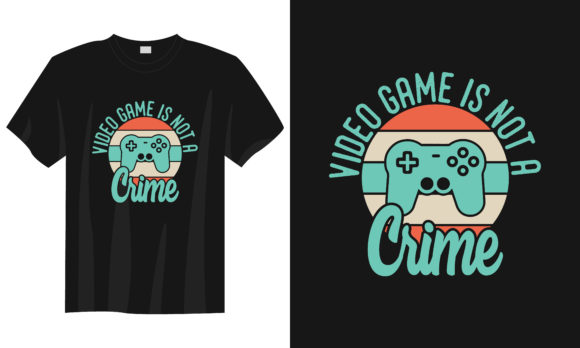
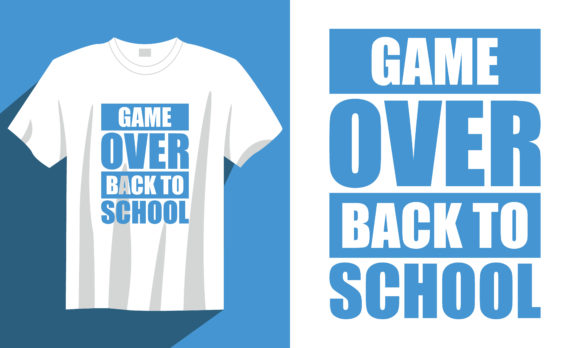
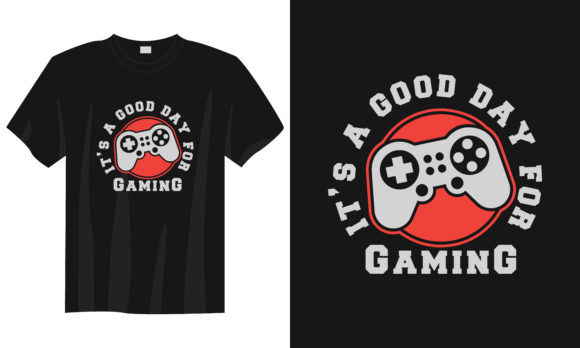
Every creator, streamer, or small business owner in the gaming niche knows the struggle of finding assets that don’t look like they were pulled from a generic clip-art library from 2005. You want your merchandise to feel authentic, energetic, and immediately recognizable. When you are building a brand around gaming culture, the visual language needs to hit just as hard as the gameplay itself. That is where the right design assets come into play, specifically when we talk about the "Good Day for Game" collection. It isn't just a graphic; it is a versatile toolkit designed to bridge the gap between a rough idea and a polished, sellable product.
The core appeal of this specific design lies in its adaptability. We are often told that to be unique, we have to build from scratch, but that isn't always efficient, especially when you are trying to launch a product line quickly. By utilizing a high-quality vector file like the one provided here, you gain the ability to scale, recolor, and modify without losing fidelity. This is crucial for maintaining a professional standard across your merchandise.
From Concept to Product: The Power of Editable Vectors
One of the biggest headaches in the design world is receiving a file that looks great on screen but falls apart in production. This is why the file structure of this particular download matters so much. You are receiving a ZIP folder containing EPS (CC) files and JPEG files. For the uninitiated, an EPS file is the industry standard for vector graphics. It means the artwork is based on mathematical equations rather than pixels. You can blow this design up to fit a massive trade show banner or shrink it down for a chest logo, and the lines will remain crisp.
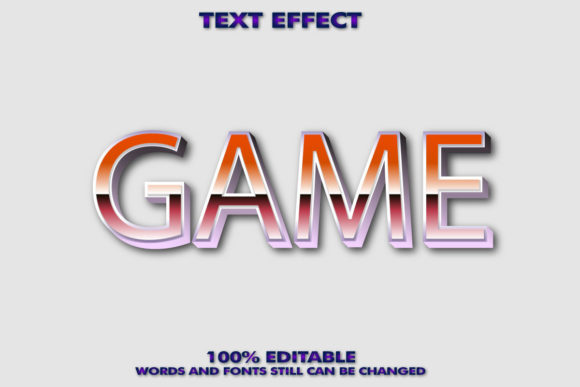
Furthermore, the flexibility of the font cannot be overstated. If you are working with a specific brand palette—perhaps neon cyans and magentas for a cyberpunk aesthetic, or retro earth tones for a vintage arcade vibe—you aren't locked into the original colors. The ability to change colors and fonts allows you to tailor the "Good Day for Game" aesthetic to fit your specific niche. This kind of versatility is what separates amateur merchandise from professional brand assets.
Practical Applications Beyond the T-Shirt
While the title suggests a focus on apparel, the utility of this design extends far beyond fabric. As a designer or entrepreneur, you should be thinking about an ecosystem of products. If you are selling a t-shirt, you are likely also selling a lifestyle. Here is how you can leverage this asset across different mediums:
- Merchandise Diversity: Beyond cotton tees, think about all-over print designs for hoodies, embroidered patches for beanies, or heat-transfer vinyl for tote bags. The vector nature of the file ensures it works for embroidery digitizing just as well as screen printing.
- Digital Content: Use the JPEG files for quick social media posts. A "Good Day for Game" graphic makes for an excellent community engagement post on Instagram or Twitter, signaling to your followers that it is time to play.
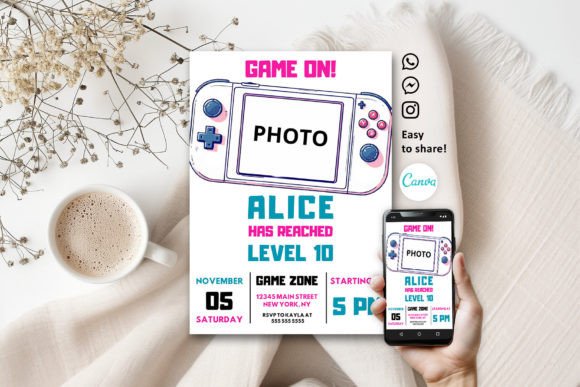
- Print Materials: If you are hosting a local LAN party, a gaming tournament, or even just a casual meetup, this design works beautifully on poster cards, flyers, and invitations. It sets the tone immediately.
- Packaging and Branding: Don't forget the unboxing experience. If you sell gaming accessories, printing this design on the packaging, stickers, or thank-you cards elevates the perceived value of the product inside.
Strategic Branding with Gaming Aesthetics
Visual consistency is the bedrock of brand recognition. When a customer sees your logo or your specific style of graphics, they should immediately connect it with your content. Using a cohesive design like the "Good Day for Game" motif helps solidify that connection. It communicates a specific mood: positive, energetic, and ready for action. This is particularly effective for streamers or content creators who need to maintain a certain "vibe" across their overlays, merchandise, and social media headers.
Consider the psychology of your audience. Gamers appreciate bold, readable typography and clear imagery. They want to wear a shirt that looks cool enough to wear to the grocery store, not just in their gaming chair. By utilizing a design that balances playful elements with a strong graphic structure, you appeal to that desire for stylish streetwear. It moves your brand away from looking like a "fan site" and towards looking like a legitimate clothing label.
Integrating Typography and Imagery
Typography is often the unsung hero of a great t-shirt design. It’s not just about what the words say, but how they look. In this asset, the interplay between the text and the graphic elements is key. If you decide to tweak the font, ensure you are pairing it correctly. If the main graphic is busy or detailed, a cleaner, sans-serif font might work best for readability. Conversely, if the graphic is minimal, a bold, stylized script font can add personality.
When customizing, pay attention to kerning (the space between letters) and leading (the space between lines). Even if you are using a pre-made design, these small adjustments can make the difference between a design that looks "homemade" and one that looks "hand-crafted." Test your pairings by printing a draft on standard paper and pinning it to a wall. Step back and see if the hierarchy of information is clear. Does the eye flow naturally from the image to the text?
Optimizing Your Workflow
Efficiency is money. Having access to both EPS and JPEG files in the download package streamlines your workflow significantly. Use the EPS files in Adobe Illustrator for the heavy lifting—resizing, color correction, and final production prep. Use the JPEGs for mockups in Photoshop or for quick uploads to social media management tools.
This dual-format approach allows you to move quickly. If a client asks for a mockup of a mug or a poster, you can drop the JPEG into a template in seconds to show them a preview. Once they approve, you pull out the vector EPS files to send to the printer. This seamless transition from concept to production is what keeps clients happy and projects on schedule.
Ultimately, the "Good Day for Game" design is more than just a graphic; it is a launchpad. Whether you are a small business owner looking to dip your toes into merchandise, or a seasoned designer needing a solid asset for a client project, having a versatile, editable, and high-quality file set makes all the difference. It allows you to focus on the creative strategy rather than getting bogged down in technical limitations.